Call Us: (+91) 99157-42555

#kukhyatbawarchi

Disclaimer: Order once placed and amount paid, can’t be cancelled and the amount is non refundable.
Copyright © 2026, All rights reserved | Kukhyat Bawarchi

When you walk into most modern restaurants or commercial kitchens, the pickles you are served are often what we call “quick pickles.” They are made for speed, convenience, and short-term use. The oil is heated, ground masalas are added, sometimes vinegar or synthetic preservatives are mixed in, and within a few days the pickle is ready to be served. The spices dissolve quickly, the flavors become strong almost instantly, and the product is designed to be consumed within a few weeks or a month. It is efficient. It is practical. It suits fast-moving kitchens.
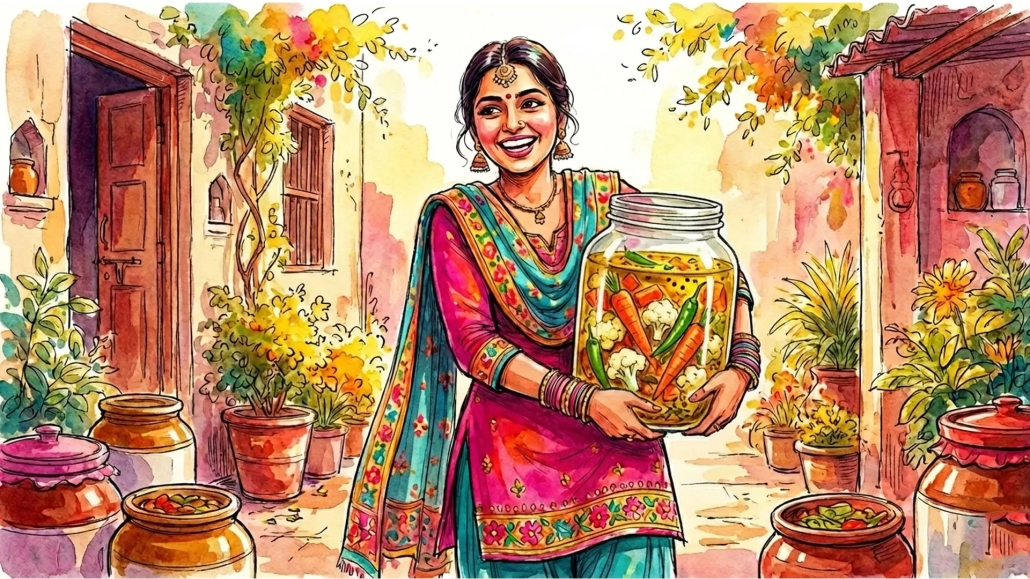
It is about time. It is about patience. It is about respect for ingredients. It is about understanding how nature works when left undisturbed.
Unlike quick restaurant pickles made with heated oil and ground masalas, authentic Indian pickles are naturally cured over weeks using whole spices and traditional sun fermentation.
True traditional pickle making is a slow art. It is a process that cannot be rushed without compromising depth, complexity, and health benefits. It begins not with heating oil aggressively, but with carefully selecting fresh seasonal produce—lemons that are firm and juicy, carrots that are crisp, mangoes that are raw yet mature, chillies that are vibrant, and ginger that is aromatic and fibrous in the right way. Each ingredient is chosen at the peak of its natural strength.
Instead of grinding spices into fine powders that dissolve quickly, authentic pickles use whole spices. Whole mustard seeds, whole fenugreek seeds, fennel seeds, nigella seeds, coriander seeds, red chillies, turmeric roots—each spice remains intact. Why? Because whole spices release their essential oils slowly. They unfold over time. They do not shock the tongue; they build character gradually.
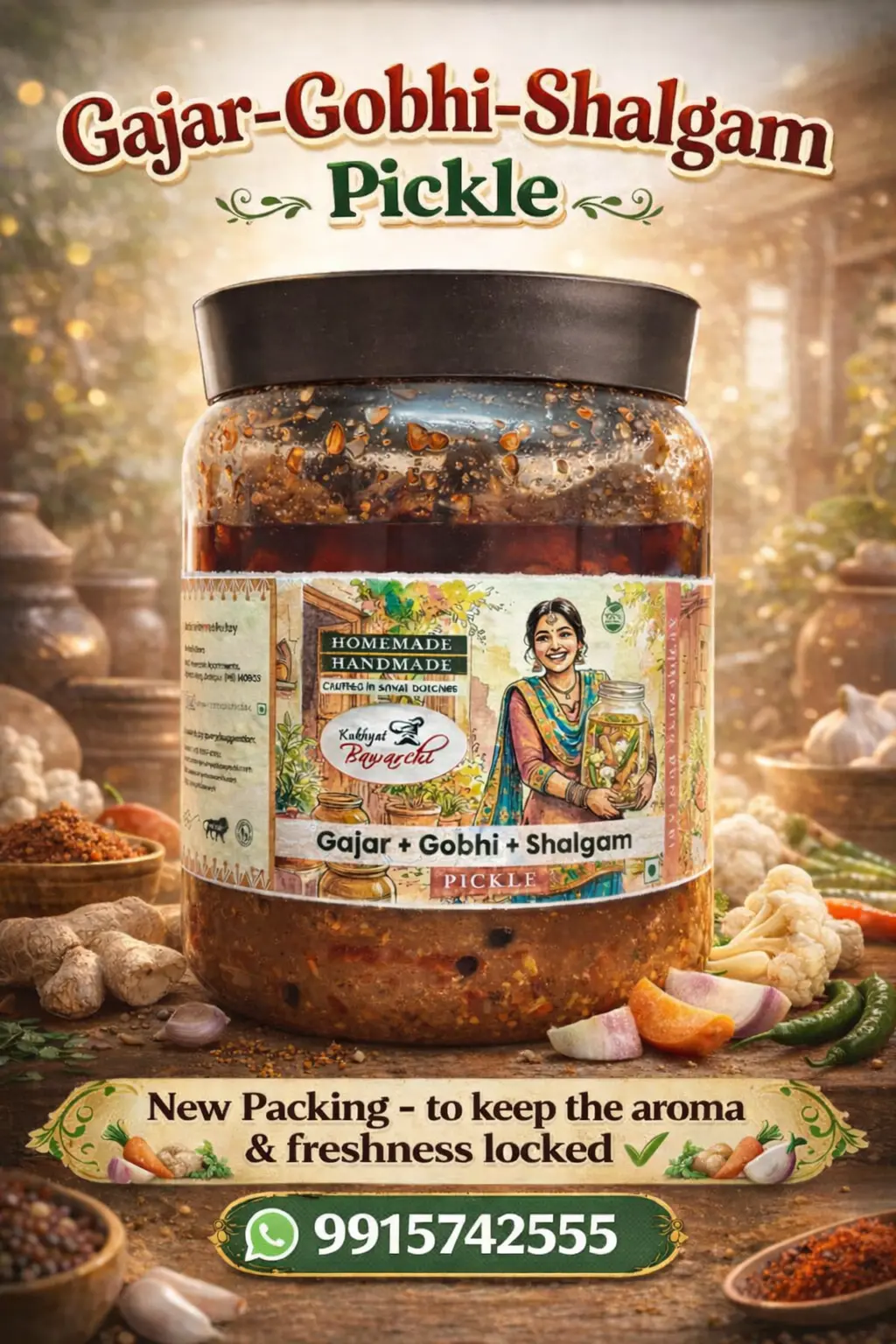
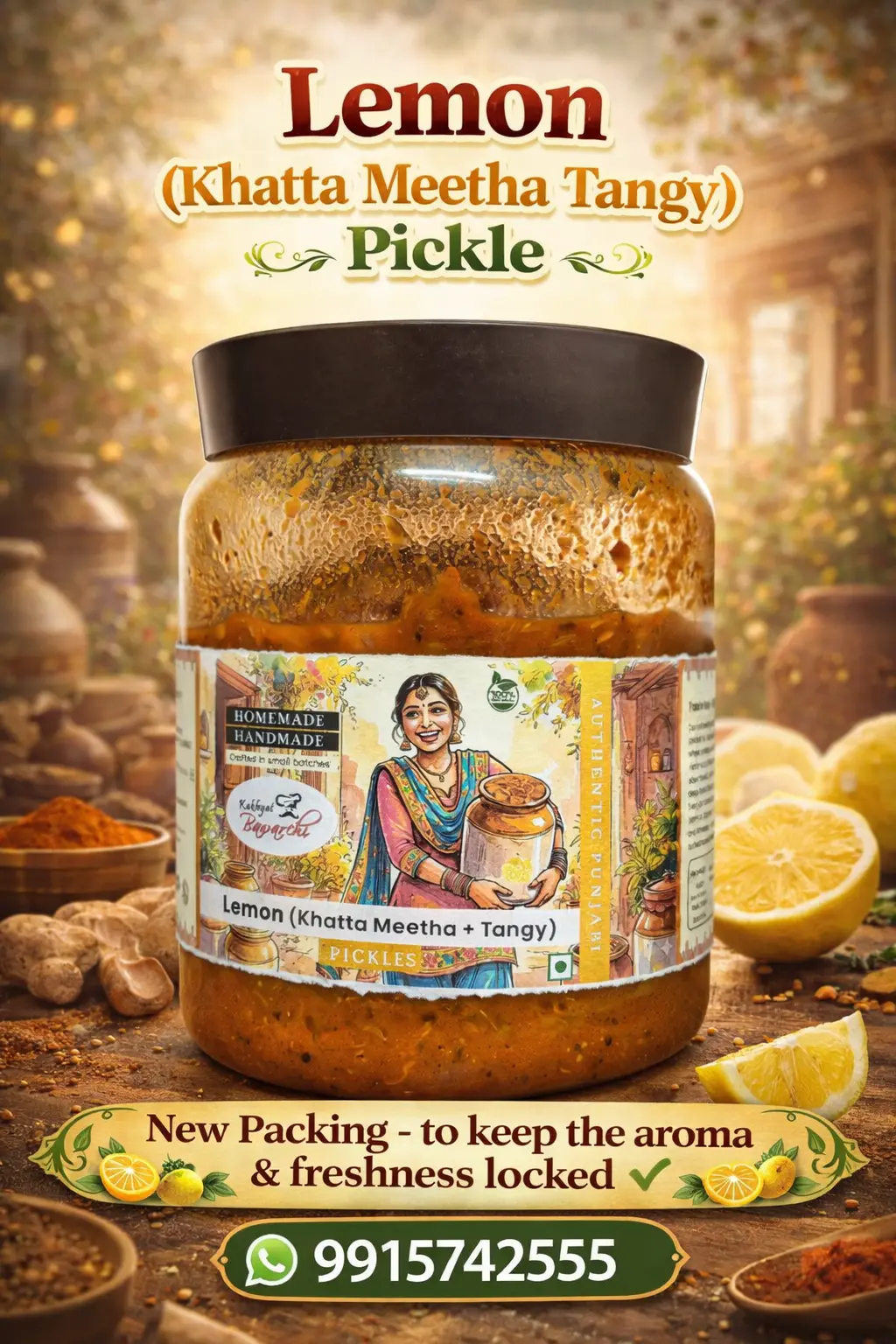
In quick pickles, oil is heated to high temperatures and poured over ground masalas. The heat accelerates infusion, but it also alters the natural chemistry of spices. Some volatile aromatic compounds are lost. Some nutrients are reduced. The pickle tastes sharp, sometimes harsh, and the flavor may fade unevenly over time.
In contrast, authentic pickle making relies on sun, time, and natural fermentation. The spices are gently mixed with cold-pressed oil. The fruits or vegetables are salted properly to draw out moisture. The jars are placed under sunlight—not for hours, but for days and weeks. Each day, the jar is shaken or stirred to ensure even mixing. Each day, nature works quietly inside the jar.
Salt draws out natural juices. Oil forms a protective layer. Whole spices slowly release their flavors into the natural brine. Beneficial microbes begin their silent work. The pickle matures.
This is not a process of days. It is a process of weeks. Sometimes months.
And that makes all the difference.
When spices release their juices slowly, they create layers of flavor. First you taste the sourness or sweetness of the main ingredient. Then the warmth of mustard. Then the subtle bitterness of fenugreek. Then the fragrance of fennel. Then the gentle heat of red chilli. The taste evolves. It does not remain flat.
More importantly, this slow method allows the pickle to remain stable and flavorful for a long period of time. Instead of being consumed within a month, an authentically prepared pickle can last for many months—sometimes even a year—while its taste continues to mature and deepen.
During the natural curing and fermentation process, beneficial bacteria develop in a balanced way. These microorganisms support gut health. They assist digestion. They help break down food more efficiently. They may support immunity. In traditional Indian households, pickle was never just about taste—it was about digestion. A small spoonful of pickle with a simple meal of dal and roti was enough to stimulate appetite and improve digestive fire.
Modern fast lifestyles have reduced the time we give to food preparation. But our bodies have not changed as quickly as our habits. Our gut still thrives on natural, fermented, slow-prepared foods. Authentic pickle supports that balance.
When you consume traditionally prepared pickle in moderation, you are not merely adding spice to your meal—you are supporting your digestive ecosystem. The combination of salt, oil, sun exposure, and time creates an environment where harmful microbes cannot survive, while beneficial fermentation processes can occur safely.
This is why authentic pickle does not need artificial preservatives.
The preservation system is natural.
The result is a product that respects tradition and supports health.
| Quick Pickle | Authentic Traditional Pickle |
|---|---|
| Heated oil | Cold-pressed oil |
| Ground masalas | Whole spices |
| Ready in days | Matured in weeks |
| Short shelf life | Long-lasting |
| Minimal fermentation | Natural probiotic development |
Many people today are rediscovering the value of fermented foods—yogurt, kimchi, sauerkraut, kombucha. But in Indian kitchens, fermented and naturally cured foods have existed for centuries. Our pickles are part of that heritage. They are a living example of ancestral food wisdom.
Authentic pickle making also respects the texture of ingredients. Quick pickles often soften too rapidly because of aggressive heating and chemical reactions. Traditional pickles maintain bite. The lemon skin remains firm yet tender. The carrot holds structure while absorbing spices. The mango slice retains its identity even as it transforms in flavor.
Texture matters because eating is not just about taste. It is about experience.
The slow release of spice oils ensures that even after months, the flavor remains balanced. The oil absorbs the spice essence and acts as a carrier, coating each piece evenly. Every spoonful tastes consistent. There are no harsh spikes of masala in one bite and blandness in another.
Patience is the invisible ingredient.
In a world where everything is instant—instant messaging, instant food, instant delivery—authentic pickle stands as a reminder that some things are worth waiting for. Just as aged cheese develops depth, just as aged wine develops character, just as traditional jaggery matures in richness, a well-made pickle evolves beautifully over time.
The difference between quick pickle and authentic pickle is the difference between fast fashion and handcrafted fabric. One is designed for speed and turnover. The other is designed for longevity and character.
Authentic pickle making also demands hygiene and discipline. The jars must be completely dry. The spoons used must be moisture-free. The oil layer must remain intact. These small practices ensure that the pickle remains safe and flavorful for months. It is a system refined through generations.
When you open a jar of truly traditional pickle, you do not just smell spices—you smell history. You smell sun-dried afternoons. You smell kitchens where grandmothers measured salt by instinct. You smell patience.
And when you taste it, you understand the difference.
The flavor does not hit aggressively; it unfolds. It lingers. It invites another bite. It complements simple meals and elevates festive spreads alike.
At its heart, authentic pickle making is about honoring ingredients. It is about allowing nature to do its work without interference. It is about trusting time instead of rushing results.
That is why our pickles are not prepared in haste. We do not overheat the oil. We do not overload with ground masalas designed to dissolve quickly. We rely on whole spices and traditional curing methods. We allow slow infusion. We allow natural maturation.
This careful process creates pickles that are rich in flavor, stable over long periods, and supportive of gut health. They are not just accompaniments—they are living foods.
In every jar, there is balance:
And most importantly, the balance between taste and health.
Authentic pickle is not just something you add to your plate.
It is something that adds value to your meal.
When you choose traditionally prepared pickles, you are choosing depth over speed, quality over shortcuts, and nourishment over convenience.
Because real pickle making is not a shortcut recipe.
It is a slow conversation between ingredients, sunlight, spices, and time.
And that conversation creates something truly special—flavor that lasts, health that supports you, and a tradition that continues in every spoonful.
How are authentic traditional Indian pickles made?
Authentic traditional Indian pickles are made using whole spices, natural oils, salt, and sun curing. The ingredients are slowly fermented over weeks, allowing natural flavors and probiotic benefits to develop without artificial preservatives.
What is the difference between quick pickles and traditional Indian pickles?
Quick pickles are made using heated oil and ground spices for fast preparation, while traditional Indian pickles use whole spices and natural fermentation over time. This slow process enhances flavor, longevity, and gut-friendly probiotic properties.
Are traditional Indian pickles probiotic?
Yes, naturally fermented traditional Indian pickles contain beneficial bacteria that support digestion and gut health when prepared using traditional curing methods without synthetic preservatives.
How long does authentic Indian pickle take to mature?
Authentic Indian pickles typically take several weeks to mature. The slow curing process allows whole spices to release their flavors gradually, creating rich taste and long shelf life.
#kukhyatbawarchi
Disclaimer: Order once placed and amount paid, can’t be cancelled and the amount is non refundable.
Copyright © 2026, All rights reserved | Kukhyat Bawarchi