The Alchemical Jar: Reclaiming the Lost Health Art of Traditional Pickling
byRuchi Khera/July 20, 2026/inPickles

For generations, a heavy glass or ceramic jar sitting on a sun-drenched windowsill or veranda was a universal anchor of the domestic kitchen. Inside that vessel, under a shimmering layer of mustard or sesame oil, a quiet, ancient alchemy was taking place.
Raw mangoes, crisp limes, and fiery green chillies were slowly transforming. This was not merely preservation; it was the practical application of Ayurveda, the ancient science of life, which has long revered traditional pickles (Achar) not as casual condiments, but as potent therapeutic formulations designed to kindle the digestive fire, balance the body’s internal energies, and preserve the seasonal bounty of nature.
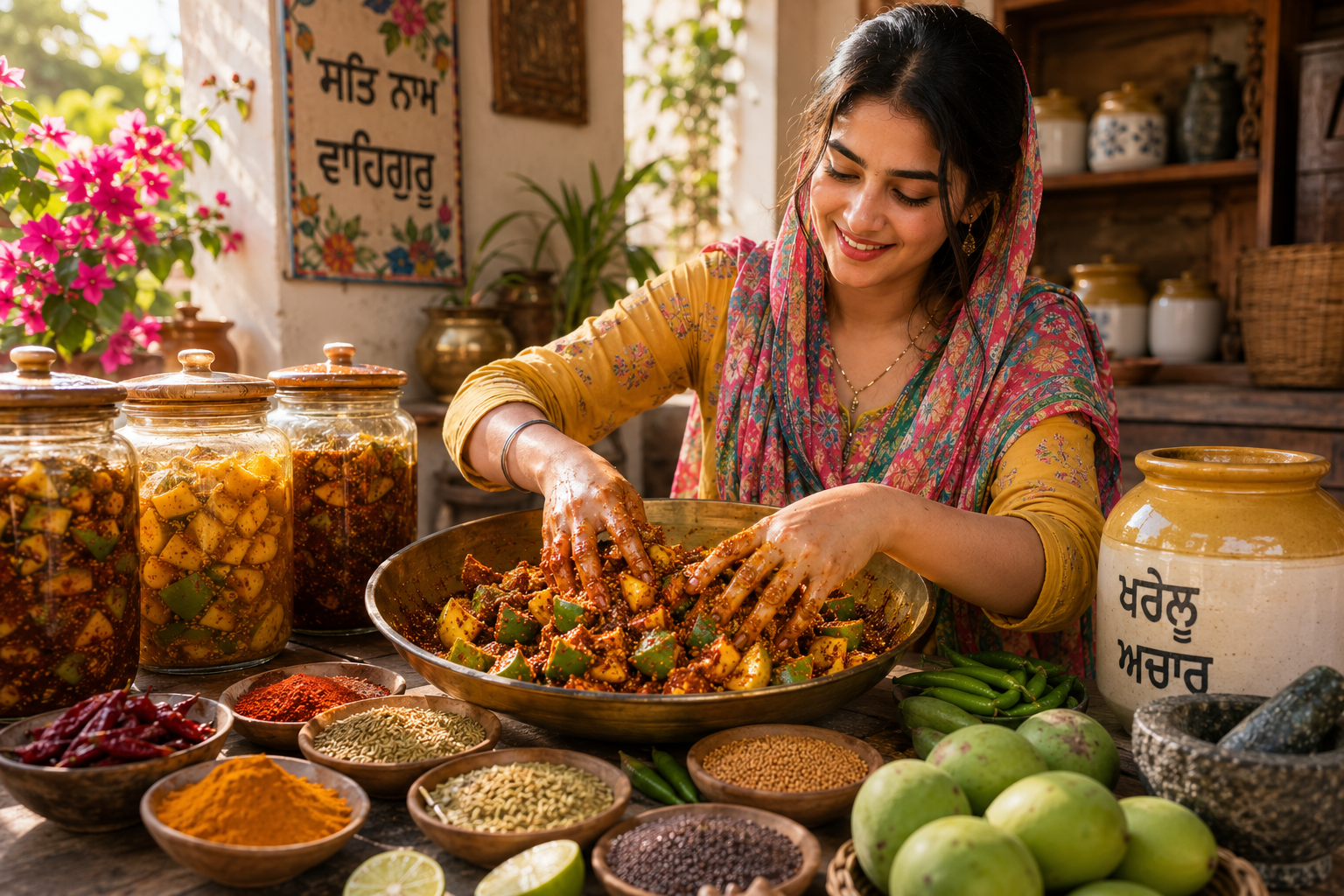
In our collective rush toward modern convenience, we have traded this patient, life-giving alchemy for the swift, sterile efficiency of the industrial assembly line. Pickles, once celebrated as vital elements of a balanced meal, have largely been demoted to mass-produced, neon-colored condiments loaded with chemical preservatives and refined acids. Reclaiming the true health benefits of pickles requires understanding the vast, unbridgeable chasm between a factory-made product and a traditionally cured jar. When crafted with patience, natural environments, and ancestral wisdom, pickles are a living nutritional powerhouse.
To understand why pickles deserve a prominent place on your plate, it is essential to dismantle a common modern misconception: that all pickles are created equal. The word “pickle” has been flattened by modern food systems to mean anything submerged in an acidic solution. In reality, the traditional method and the industrial method yield completely different substances.
| TRADITIONAL METHOD (Curing) | INDUSTRIAL METHOD (Acid) |
|---|---|
| Relies on wild fermentation | Relies on industrial |
| Preserved by salt, oil, sun | Distilled vinegar |
| Creates live probiotics | Sterilized by high heat |
| Enhances bio-availability | Dead, static product |
Traditional pickling is an act of wild fermentation, driven primarily by lactic acid bacteria (LAB), such as Lactobacillus species. These beneficial microbes are naturally present on the skins of fresh fruits and vegetables. When these ingredients are cut, salted, and spiced according to ancestral ratios, an environment is created that suppresses harmful pathogens while allowing these native, friendly bacteria to thrive.
As these microbes consume the natural sugars in the ingredients, they produce lactic acid. This acid naturally lowers the $pH$ of the mix, creating a safe environment where spoilage organisms cannot survive. This process does not just preserve the food; it enriches it. The bacteria synthesize vitamins (particularly B-vitamins and vitamin K), break down complex anti-nutrients (like phytic acid), and transform the raw material into a live, bio-available food that actively supports human physiology.
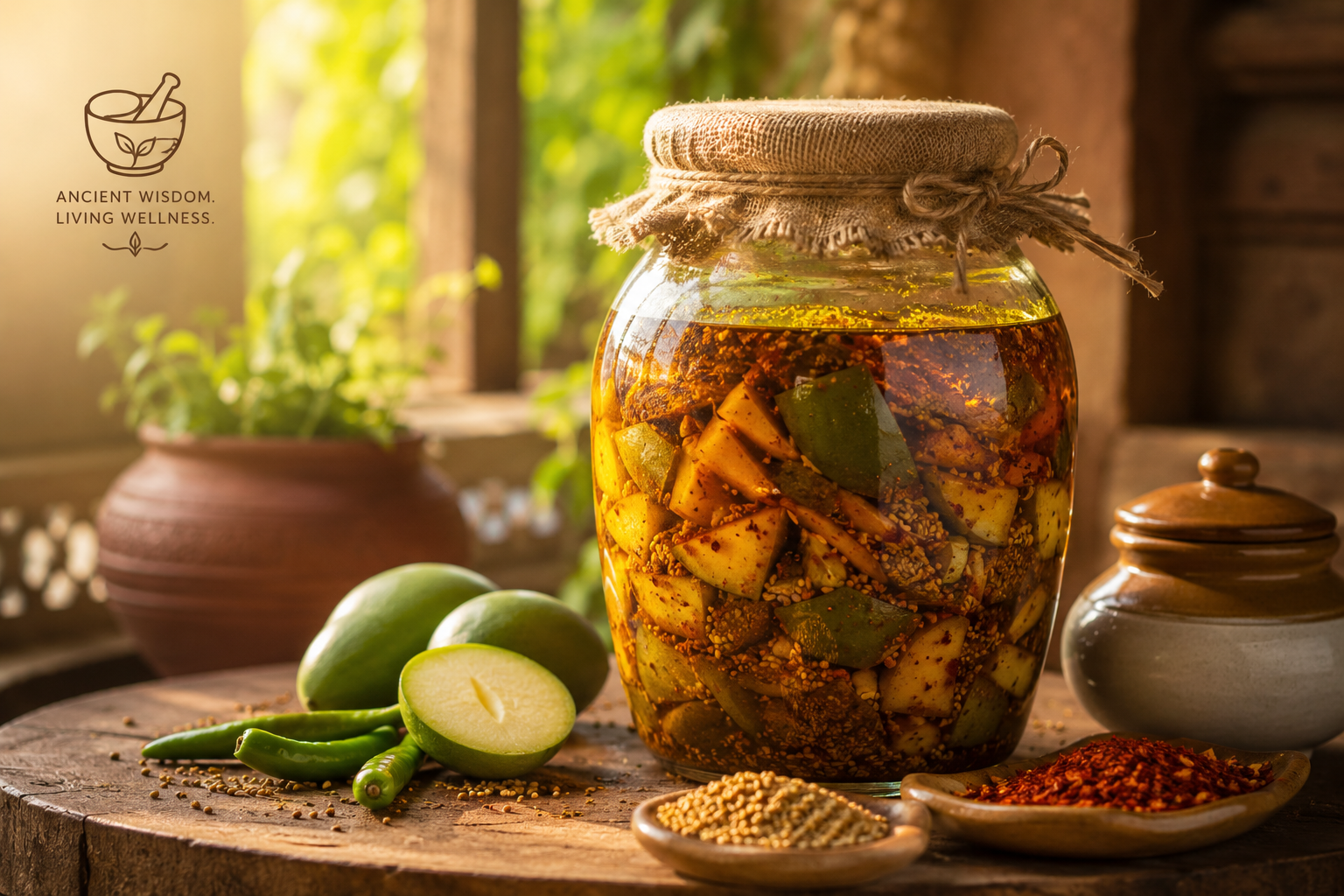
True pickling cannot be rushed by automated machinery. It requires a partnership with nature, where time, sun, and seasonal shifts are the primary ingredients.
In traditional pickling, the sun is a vital catalyst. Jars are placed in open, natural environments where they absorb gentle solar heat over weeks. This solar exposure serves two critical functions:
Patience is the core element that allows the flavors and nutrients to mature. A traditionally cured pickle develops its character over months. During this long, slow resting period, the spices—whether coarse mustard seeds, fenugreek, fennel, or turmeric—gradually release their fat-soluble volatile oils into the base oil. The salt thoroughly penetrates the dense fibers of the fruit, pulling out excess water and tightening the cell walls. The result is a deeply complex, nuanced flavor profile and a texture that holds its bite for years without decomposing.
To truly appreciate the mid-point of the pickling process, one must look through the lens of Ayurvedic pharmacology. Ayurveda evaluates everything we consume based on its Rasa (taste), Virya (potency), and Vipaka (post-digestive effect). A complete, health-giving meal must ideally balance the Shad Rasa (six tastes): sweet, sour, salty, pungent, bitter, and astringent. Modern diets are notoriously overwhelmed by sweet and salty flavors, frequently lacking the vital sour, pungent, and bitter notes.
THE AYURVEDIC DOSHIC BALANCE
Stimulates Agni
(Sour/Pungent Tastes)
Pacifies Vata
(Warm Oils & Minerals)
Traditionally prepared pickles step into this nutritional gap perfectly. They primarily embody the Amla (sour), Lavana (salty), and Katu (pungent) tastes. When integrated mindfully, these tastes play a foundational role in human health:
When you buy a standard mass-market jar from a supermarket shelf, you are purchasing a product designed for infinite shelf-life and maximum profit margins, completely divorced from Ayurvedic principles and nutritional science. Industrial pickling strips away the living essence of the food and replaces it with synthetic substitutes.
Raw Ingredients >>> Heated/Pasteurized >>> Distilled White Vinegar
Result: Dead Food >>> Chemical Preservatives
When you switch back to live, traditionally cured, homemade pickles, they function less like a heavy condiment and more like a functional daily health supplement.
Your gut microbiome is a complex ecosystem comprising trillions of microbes that influence everything from your digestion to your immune health and emotional well-being. Traditionally fermented pickles are rich in live, transient probiotics. When consumed in small, regular amounts alongside meals, they introduce diverse bacterial strains into the digestive tract. These strains help reinforce the gut barrier, optimize nutrient assimilation, and keep opportunistic, harmful bacteria in check.
Many raw vegetables contain anti-nutrients like oxalates and phytates, which bind to essential minerals (like iron, calcium, and zinc) in the gut, preventing their absorption. The slow, ambient fermentation process inherent in traditional pickling breaks down these anti-nutrients. Consequently, the minerals present in the vegetable—and in the foods eaten alongside the pickle—become significantly more bio-available to the body.
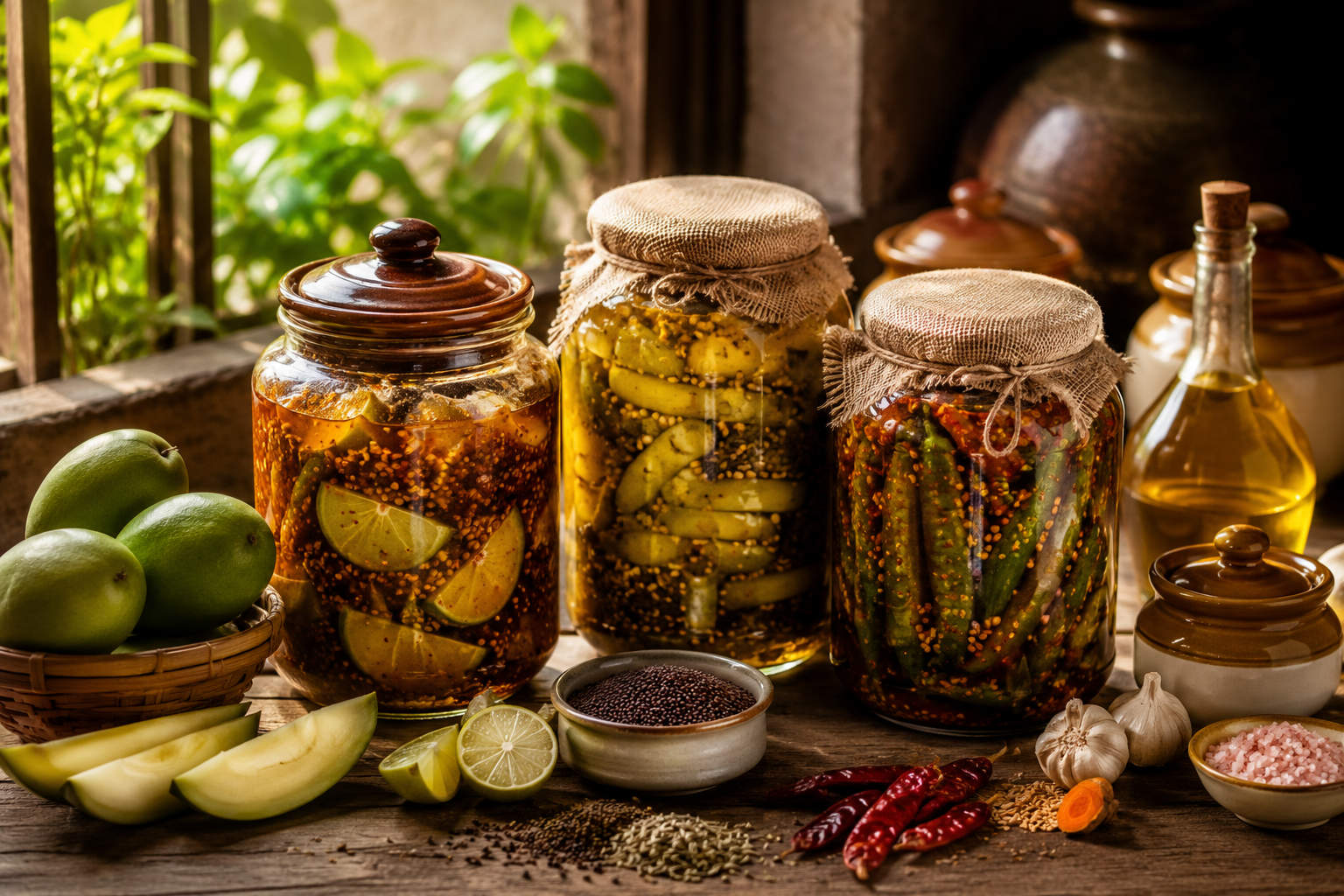
Traditional pickles are dense delivery vehicles for potent therapeutic spices. Turmeric provides curcumin, a well-documented compound supporting natural anti-inflammatory pathways. Mustard seeds contain selenium and magnesium, alongside glucosinolates that offer cellular protection. Fenugreek seeds help modulate blood glucose responses. Because these spices are suspended in oil over a long period, their fat-soluble active compounds are fully extracted and stabilized, making them highly effective when digested.
| Feature | Traditionally Cured Pickle | Factory-Made Industrial Pickle |
|---|---|---|
| Primary Method | Ambient solar curing & wild fermentation | Direct acidification via commercial vinegar |
| Microbial Status | Live, rich in active probiotics & enzymes | Sterilized, pasteurized, biologically dead |
| Acid Profile | Natural Lactic Acid ($LAB$ generated) | Synthetic Acetic Acid (Distilled Vinegar) |
| Base Oils | Cold-pressed oils (Mustard, Sesame) | Refined, bleached, solvent-extracted oils |
| Salt Profile | Mineral-rich unrefined rock/sea salt | Highly refined, processed sodium chloride |
| Additives | None; preserved by salt, spices, and oil | Sodium benzoate, artificial colors, firming agents |
| Time Investment | 3 to 6 weeks of patient maturation | Hours from raw vegetable to sealed jar |
To appreciate the targeted therapeutic value of traditional pickling, let us examine three classic variations, each offering distinct nutritional profiles and wellness benefits.
The king of traditional pickles, made from raw, green unpeeled mangoes, is far more than a tangy accompaniment. It is a highly effective seasonal tonic.
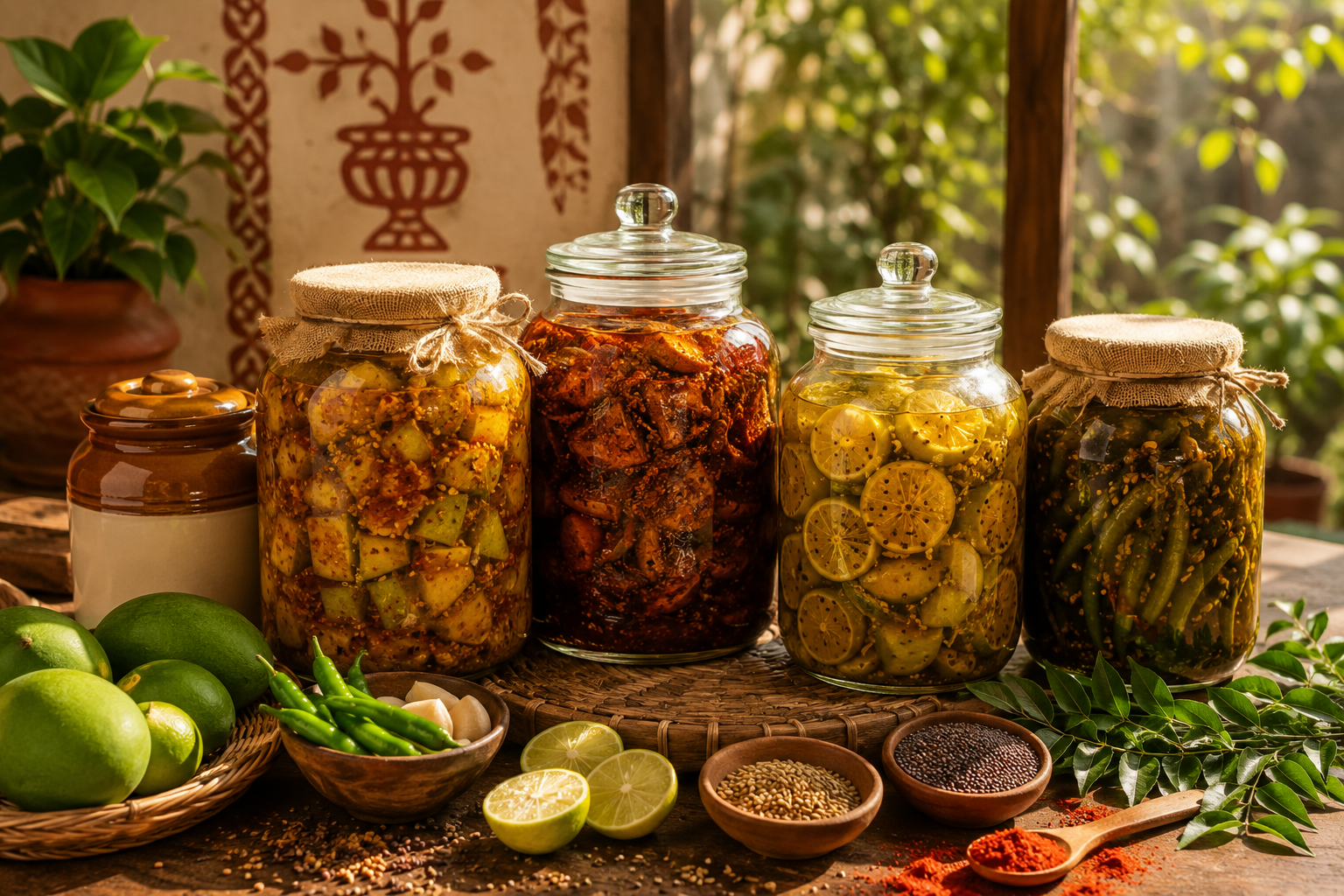
Whether prepared with oil or cured entirely in its own juice with salt and spices, the traditional lemon pickle is a classic digestive remedy.
For those who enjoy heat, a traditionally cured green chilli pickle made with split mustard seeds and cold-pressed oil offers significant metabolic advantages.
Because traditional pickles are potent, concentrated extractions, they should be approached with mindful respect. They are designed to be consumed in small quantities—a teaspoon or two with a main meal is all that is required to stimulate digestion and provide a healthy dose of probiotics.
Daily Meal:
Grains, Lentils, Vegetables + A Teaspoon of Traditional Pickle = Optimized Digestion & High Nutrient Absorption
For individuals managing specific cardiovascular concerns or strict sodium-restricted diets, the salt content of traditional pickles should be balanced against the rest of the day’s intake. However, it is worth noting that the mineral-rich unrefined salts used in traditional methods behave differently in the body than the isolated, refined white sodium chloride used in ultra-processed snacks.
When you choose a pickle born of patience, sun, and traditional methods, you are doing more than supporting sustainable food traditions. You are honoring your body’s complex digestive system, stepping away from the fast-paced world of synthetic additives, and enjoying a living, time-tested food that truly supports your well-being.

#kukhyatbawarchi

Disclaimer: Order once placed and amount paid, can’t be cancelled and the amount is non refundable.
Copyright © 2026, All rights reserved | Kukhyat Bawarchi